Home › Articles › Top 10 Countries Offering Digital Nomad Visas
Digital nomad visas have been the trend for a few years but have seen massive growth since 2020.
2023-03-09
What would you like your work view to be like? Snow-covered slopes in Aspen or a warm sandy beach in Bali or serene cityscape in Cape Town? If we had asked someone this ten years ago, they would have scoffed at the ludicrousness of the suggestion. Until recently, work meant trudging to an office and working in your boring cubicle. But the pandemic-induced lockdown changed how and where people work. Productivity rather than conformity has been established in the last few years.
Being a digital nomad and digital nomad visas have been the trend for a few years but have seen massive growth since 2020.
Do you want to become a digital nomad and work from almost any location, then it’s essential to know the countries offering digital nomad visas, and how to apply. The application process, eligibility requirements, visa length, costs, etc., vary from one country to another.
You must carefully look into each factor while applying for digital nomad visas. This guide will help you understand the titbits of digital nomad visas.
What are digital nomads?
A digital nomad is an individual who travels to different locations, adopts a nomadic lifestyle, uses modern technology and works with Wi-Fi-connected laptops, and enjoys location independence workstyle. They mostly work in the IT or creative services domain.
There are an estimated 35 million digital nomads worldwide. In 2022, over 50% of the total digital nomads worldwide were from the US, and the rest, 7% from the UK, 5% from Russia, 4% from Canada, and other nationalities, made up the remainder. Digital nomads contribute a global economic value of $787 billion per year.
The average age of a digital nomad is 32 and most digital nomads start their nomad journey at the age of 29. Millennials comprise around 44% of digital nomads. On average, they make around $117,959 yearly, and 70% of digital nomads work 40 hours or less in a week and 33% work above 40 hours.
Benefits of being a digital nomad
There are several benefits of working as a digital nomad, like
Affordable cost of living
The flexibility of choosing a work location
Office politics has no impact on your work pattern
Experience a new culture and meet new people
Learn a new language
Broaden your knowledge with regular travelling experience
Enjoy flexible work timing
In most cases, zero income tax!
Documents required for digital nomad visas
A digital nomad visa is a temporary resident visa for remote workers, freelancers, self-employed, or students (depending on the country’s norms), allowing them to stay in a foreign country and work remotely.
Different countries offer these digital nomad visas. While most of them have a duration of up to one year, an extension is possible. The digital nomad visa program and document needed to process for each country vary, but we have compiled a list of standard requirements that are needed.
Proof of applicant’s nationality (usually a valid passport)
Applicant’s visa history
Proof of applicant’s age
Digital Nomad visa application form
Passport having a validity of at least six months at the time of application
Recent photograph
Proof of monthly income source
Evidence of remote work
Civil documents ( it needs to be translated if required by the country and certified with an apostille stamp)
Digital nomad visas application process
The digital nomad visa application process differs in different countries, but the application process follows a sequence.
Fill out the application form online or offline
Carefully review the instructions provided by the country norms you are applying for a digital nomad visa, and fill out the form.
Visit your nearest embassy or consulate
Applicants usually fill out and submit these applications from their home country. Visit the nearest embassy or consulate, schedule an appointment to submit your application, and appear for an interview.
Prepare relevant documents
You must keep all necessary documents handy and have them translated (if required). Some documents must have an apostille stamp.
Application Submission
Compile all the documents and the application form and submit them to the embassy, clear the interview, and pay the visa fee (if required). Keep the payment receipt safe.
Top Countries Offering Digital Nomad Visas in Europe
South Korea
South Korea recently launched the ‘Workcation Visa’ program for digital nomads and remote workers. Previously, there was no specific visa category for individuals who wanted to stay in South Korea without being employed locally.
Requirements for application:
Applicants must be from outside South Korea, over 18 years old, and have worked in their field for at least one year.
They must be self-employed or employed by a company outside South Korea.
Applications can be submitted at the South Korean consular post in the applicant’s country of residence.
Applicants must have a minimum annual income of KRW 84,960,000 and private health insurance coverage of at least KRW 100 million.
Cost:
Visa application fees can vary depending on the country of application and other administrative costs.
Length of visa:
The visa is initially valid for one year and can be renewed for another year.
Income requirements:
Applicants must meet the minimum annual income requirement of KRW 84,960,000.
Can you take your family:
Legal spouses and unmarried children under the age of 19 can accompany the visa holder.
Application process:
The application process for South Korea’s Digital Nomad Visa involves a few key steps:
Submission of Documentation: Applicants must submit all necessary documentation to the South Korean consular post in their country of residence. The consular post is responsible for adjudicating and issuing the visa.
Residence Card Application: Once you enter South Korea with the Digital Nomad Visa, you must apply for a residence card. This is a standard procedure for most long-term visas, allowing the government to keep track of your stay and provide you with an official form of identification while in the country.
In-Country Applications: In certain exceptional cases, it may be possible to adjust your visa waiver status (such as B-1, B-2) or C-3 visitor status to a Digital Nomad Visa while you are already in South Korea. However, the South Korean immigration department has not published detailed guidelines on this in-country adjustment process. Consequently, they recommend that applicants primarily use the consular application route to apply for the visa.
Future of the Program:
The effectiveness and success of the visa scheme will be evaluated before a decision is made regarding its permanent adoption.
Portugal
Porto is one of the well-known digital nomad communities in Portugal and C’alma cafe is one of the best spots for working and having good vibes.
Portugal recently launched their digital nomad visa program for digital nomads and remote workers. Earlier, there was no direct visa for digital nomads and remote workers willing to stay in Portugal without making a significant investment through the Portugal Golden visa or having proof of passive monthly income through the Portugal D7 visa.
Requirements for application:
Anyone outside the EU, EEA, or Switzerland can apply for a digital nomad visa to enter and work in Portugal.
You must be self-employed or work for any company outside of Portugal.
You can also apply remotely from anywhere in the world at the closest Portuguese Consulate or the Portuguese Immigration and Border Service or SEF.
The standard tax rate is 15%, but the country has an affordable cost of living and excellent working conditions.
Cost:
You pay approximately €180 for the initial visa application and €320 for the residence permit once you are in the country.
Length of visa:
Apply for up to one year, but can be extended up to 5 years.
Income requirements:
You must make four times the minimum wage in the country, €2,800 per month in the last three months, before applying for the visa.
Can you take your family:
You can apply for the visa with your spouse and children.
Path for citizenship available:
If you have proof of living in Portugal for five years or more, you can apply for permanent residence and receive an ID card like any other Portuguese.
Spain
The Shed CoWorking is one of the best cafes and coworking spaces in Madrid, Spain.
Requirements for application
Non-EU nationals working remotely for non-Spanish companies or freelancers with multiple clients can apply for a digital nomad visa.
You need to prove to work with a particular client or company for more than three months before applying for the visa, and that company must have been operational for at least one year.
Applicants require health insurance and must have no criminal records in a country they have resided in for the past five years.
You can either apply for a digital nomad visa directly from a consulate or embassy in your country or enter Spain on a tourist visa and apply for it within the first three months.
Required documents:
Application form
Administrative fees payment proof
Copy of your passport
Qualification or work experience proof
Employment and income proof
Letter of authorization from your company to work in Spain
Proof of clear criminal record
Health insurance proof
Cost:
The cost of applying for a digital nomad visa in Spain is roughly €75-€80 and can be a little higher while applying for a residence card.
Length of visa:
You can stay for up to one year or throughout the employment period if it is less than 12 months. However, it can be renewed for up to 5 years.
Income requirements:
200% of the country’s monthly minimum income, which is €2,334 per month or €28,000 per year. However, it is likely to rise slightly as the country reevaluates the minimum wage.
Can you take your family:
Children and spouses can join the visa holder with proof of sufficient funds. A family with two people, including the visa holder, must have an additional 75% of the country’s minimum monthly wage, and 25% is added for each member after that.
Path for citizenship available:
After five years of living in Spain continuously, one is eligible to apply for permanent residence, and after ten years of residency, one will be eligible for citizenship.
Germany
Munich in Germany is very famous for its beer, food and historic vibes!
Requirements for application
Anyone working in a specific liberal profession, including freelancers, digital nomads, and self-employed, can apply for a freelancer visa.
Documents required:
Local address proof in Germany
Proof of health insurance
Financial self-sustainability proof
Proof of working with a client based in Germany
Cost:
You would need to pay around €100.
Length of visa:
It is available for around six months to 3 years.
Income requirements:
You need at least €9,000 per year to live comfortably in Germany.
Can you take your family:
Yes, you can immigrate with your family.
Path for citizenship available:
After five years, you can apply for permanent residency, and after six years, German citizenship.
Top Countries Offering Digital Nomad Visas in North and Central America
Mexico
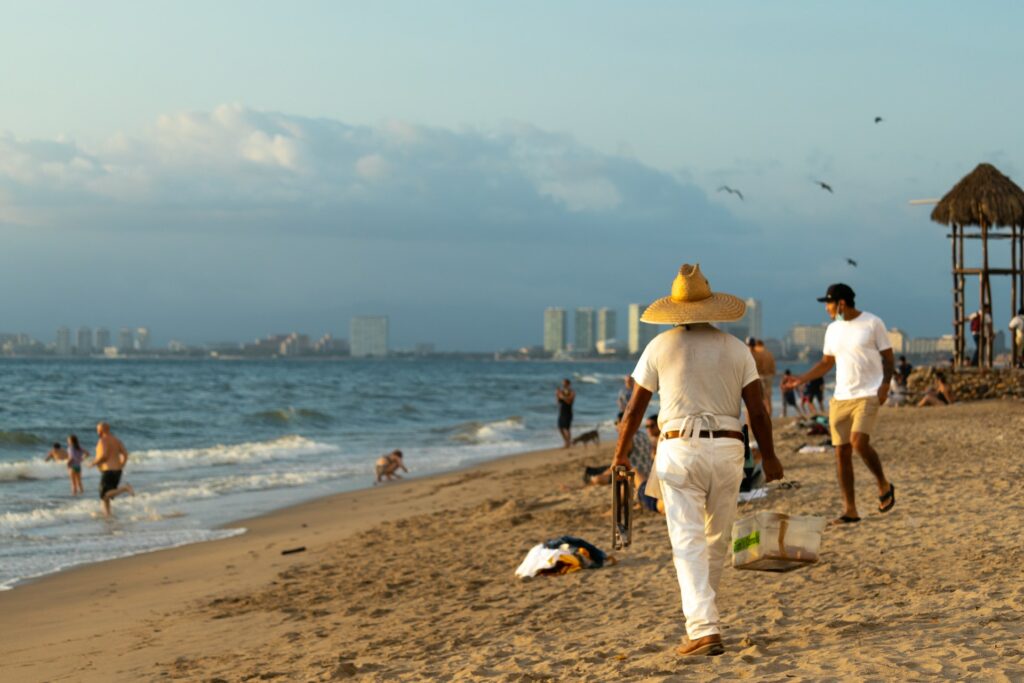
Puerto Vallarta is the gay capital of Mexico providing a safe environment for lots of LGBTQ digital nomads.
Requirements for application
If you stay in Mexico for up to six months, you will receive a tourist visa with no income requirements, and you don’t need any digital nomad visa in the country. However, above that, you must apply for a temporary residence visa.
Documents required:
Valid passport
A colour photograph
Original and copy of the legal permit to stay in the country where the appointment is taking place
Proof of income
Cost:
The interview fee is $40 to get the visa at the Mexico consulate and to get the temporary permit card, and you need to pay an additional fee of $150 to $350.
Length of visa:
You can stay anywhere between 6 months to 4 years.
Income requirements:
The minimum is $2,600 per month; however, if you bring a spouse or dependent, the amount increases by $861 for each family member.
Can you take your family:
Yes, but the income threshold increases.
Path for citizenship available:
You can apply for permanent residency after four years of temporary residence in the country.
Top Countries Offering Digital Nomad Visas in the Middle East and Asia
Dubai
Dubai is the third country with the best internet connection in the world, with an average internet speed of 118.52 Mbps according to the Digital Quality of Life Index (DQL).
Requirements for application:
The Remote Working Visa Scheme of Dubai allows anyone qualified to move to the country and enjoy the same rights as other residents.
Documents required:
Application form
Valid passport
Digital passport photo
Proof of confirmed accommodation
Medical insurance.
For business owners, you must provide proof of company ownership for one year or more and bank statements for the last three months.
For employees, you must provide proof of employment with a one-year contract, last month’s payslip, and bank statement for the previous three months.
Cost:
It costs around $611, including the application fee of $287.
Length of visa:
You can stay for one year, but it is renewable upon reapplication.
Income requirements:
The minimum is $5,000 per month for business owners and employees.
Can you take your family:
Yes, you can bring family members with you.
Top Countries Offering Digital Nomad Visas in South America
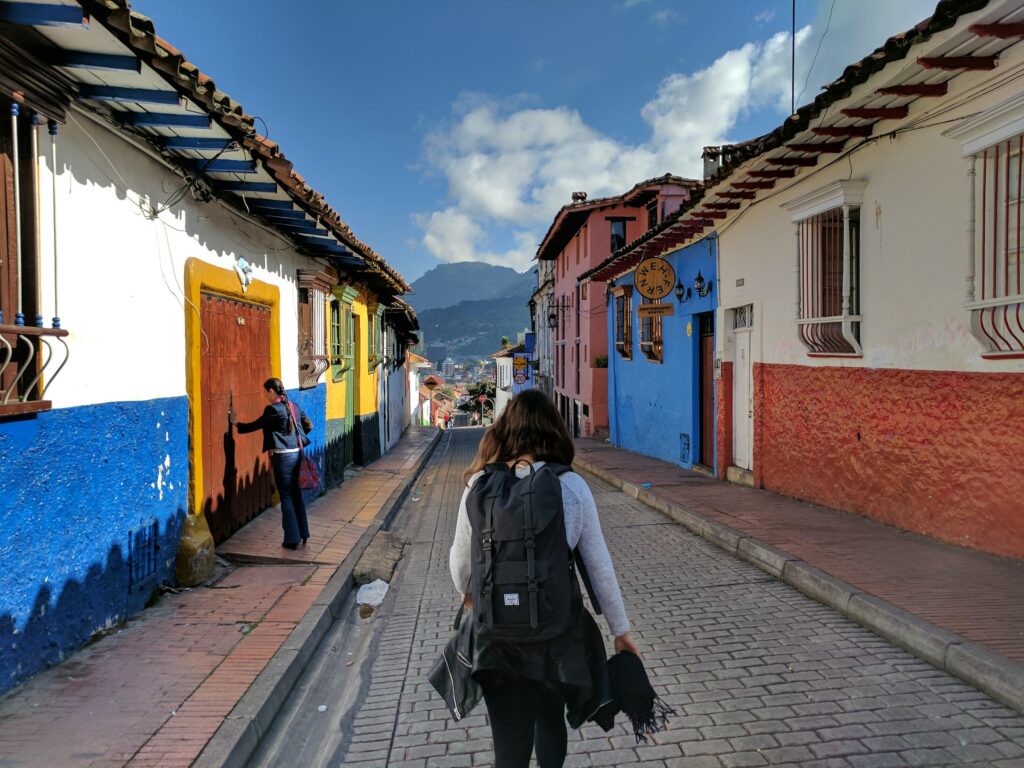
Colombia Medellin in Colombia is where you’ll find the most co-working spaces and backpacker hostels such as Selina.
Documents required:
Valid passport
Proof of working as an employee freelancer or self-employed outside of Columbia
Evidence of international health insurance
Company letter of employment
Cost:
It costs around $170 and $230 for a visa application.
Length of visa:
You can stay for 180 days or six months in a year to 2 years.
Income requirements:
You need a minimum income of around $670 per month.
Can you take your family:
Applicants can bring their spouses and dependents on a digital nomad visa.
Argentina Buenos Aires is one of the most exciting places in Argentina with a rich architectural and cultural heritage, modern creative energy, electric nightlife, unique traditions, and a vibrant arts scene!
Documents required:
Valid passport
Application form
A CV stating your experience in the field and level of studies or training achieved
Photo
Proof of employment or receipt of income
Cost:
It costs around $80 to apply.
Length of visa:
You can stay for one to three years.
Path for citizenship available:
After two years of stay in Argentina, you can apply for citizenship.
Top Countries Offering Digital Nomad Visas in the Caribbean
Bermuda
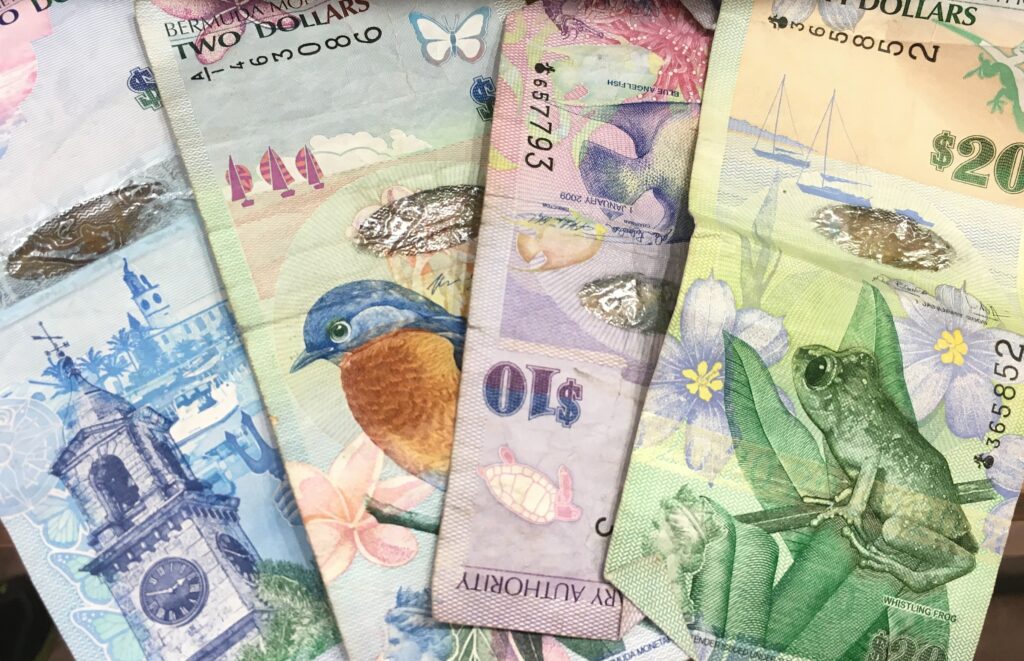
The Bermudian dollar (BMD) is the official currency of Bermuda and is pegged to the U.S. dollar at a rate of 1:1. American currency is also often used interchangeably on the island.
Requirements for application:
Anyone looking to work as a freelancer or for a foreign country remotely from Bermuda or an online university or college student can apply for the digital Nomad visa.
Documents required:
A colour scan of the passport
Scan of visa to enter Bermuda
Proof of employment
Proof of enrollment at the university if you are a student
Valid health insurance
Clean criminal record
Proof of income tax
Cost:
The application fee is $263.
Length of visa:
You can stay for 12 months, and it is renewable, depending on your circumstances.
Income requirements:
There is no specific income requirement.
Can you take your family:
Yes, you can.
Anguilla
Anguilla launched the “Lose The Crowd Find Yourself. Work. Life. Bliss. Program” to target digital nomads or remote workers, their families, and students.
Anguilla is stunning! The whole island is essentially one beach after another!
Requirements for application:
You must provide details of self-employment or employment as a remote worker by a company outside Anguilla to apply for the visa.
Documents required:
Application form
Proof of employment or business incorporation certificate
Proof of visa
Valid police clearance
Evidence of applicant’s relationship to dependents
Pre-arranged transfer details to and from Anguilla
Valid health insurance
Accommodation booking
Cost:
The visa application fee is $2,000 for individuals and $3,000 per family of four members and $250 for each additional dependent. For students, the fee is $2,000.
Length of visa:
You can stay for three to twelve months, it cannot be extended, and you need to reapply for the visa upon completion of the validity.
Can you take your family:
Yes. But you need additional documents like a copy of a birth certificate, a copy of a passport picture, a brief description of the applicant’s work, and proof of school enrollment for students.
Path for citizenship available:
You will get an Anguilla residency if you are married and the spouse is a citizen or a permanent resident of the country.
Top Countries Offering Digital Nomad Visas in Africa
Mauritius
If you want to have some work done without spending on coffee or coworking spaces, libraries in Mauritius are the solution. They are located in every city and town with amazing internet speed.
Requirements for application:
Digital nomads can now apply for Premium Travel Visa in Mauritius from October 2020. If you are not eligible, get a tourist visa for Mauritius from your home country’s corresponding embassy or consulate.
Documents required:
Application form
Copy of the biometric data page of your passport
Passport size photograph
Copy of airline ticket,
Travel and health insurance
Accommodation proof
Proof of income
Proof of dependents
Cost:
The visa application is made free of cost.
Length of visa:
You can stay for one year and can be extended.
Income requirements:
You need to earn a minimum of $1,500 per month.
Can you take your family:
Yes, but you need to show an extra income part-dependent
How can Centuro Global help with Digital Nomad visas?
We help you understand the liabilities ofinternational remote working and guide you throughout the process, from dealing with accommodation requests to applying and getting a visa or work permit or simply ensuring you meet the tax thresholds. Our experts help you find the best visa option to ensure a smooth application process.
Conclusion
If you are looking for a job that doesn’t tie you for hours in the office, try being a digital nomad. You can work out at cafes, beaches, or hotel rooms and anywhere worldwide, thus enjoying location independence, a flexible work schedule, and an outstanding work-life balance. However, while travelling to a new country for work, you must apply for a digital nomad visa.
1. What is a digital nomad visa?
The digital nomad visa permits you to stay, travel and work remotely in a foreign destination.
2. Where can I submit the digital nomad visa application?
You can submit the digital nomad visa application at the nearest embassy or consulate after carefully filling out the form and attaching the required documents.
3. Do I have to pay income tax under a digital nomad visa?
You must file a tax return in your residential country if you own a digital nomad visa. However, whether to pay taxes depends on the country you are applying for the visa. For example, in Estonia, if you stay for more than 183 days, you will be considered a tax resident of the country.
Share:
Company
Team Centuro
Centuro Global is an award-winning AI-powered SaaS platform for global expansion & global mobility, led by human expertise for tailored legal & compliance solutions. Our platform is a one-stop-shop hub for global expansion, providing companies with the tools, knowledge, and expertise to expand globally in any jurisdiction.
Centuro Global is proud to announce that we have won the ‘Best Business Travel Management’ award at the Forum for Expatriate Management’s (FEM) Americas Expatriate Management & Mobility Awards 2026 (EMMAs).
A guide for Authorising Officers, HR managers, and anyone responsible for managing a UK Sponsor License. This guide gives you a working understanding of your obligations as a sponsor licence holder, outlining the key duties you must follow and the consequences of non-compliance to ensure you maintain your licence.
The European Union’s new digital border control system, the Entry/Exit System (EES), is now fully operational across all Schengen Area borders as of 10 April 2026. This is a significant change in how British citizens and other non-EU nationals will enter and exit the Schengen Area, with major implications for business travel, compliance and border processes.
Centuro Global is an industry-leading platform for legal services
Discover how we can help your team with immigration, business travel and global expansion.
Get clear answers on business travel, immigration or global expansion - and find the right solution for your needs.
What to expect:
Quick review of your goals and challenges
Walkthrough of the features that matter most
Clear next steps, timelines, and pricing
Trusted by businesses in 170+ countries
Manage Cookie Consent
We use technologies like cookies to store and/or access device information. We do this to improve browsing experience and to show (non-) personalised ads. Consenting to these technologies will allow us to process data such as browsing behaviour or unique IDs on this site. Not consenting or withdrawing consent, may adversely affect certain features and functions.
Functional
Always active
The technical storage or access is strictly necessary for the legitimate purpose of enabling the use of a specific service explicitly requested by the subscriber or user, or for the sole purpose of carrying out the transmission of a communication over an electronic communications network.
Preferences
The technical storage or access is necessary for the legitimate purpose of storing preferences that are not requested by the subscriber or user.
Statistics
The technical storage or access that is used exclusively for statistical purposes.The technical storage or access that is used exclusively for anonymous statistical purposes. Without a subpoena, voluntary compliance on the part of your Internet Service Provider, or additional records from a third party, information stored or retrieved for this purpose alone cannot usually be used to identify you.
Marketing
The technical storage or access is required to create user profiles to send advertising, or to track the user on a website or across several websites for similar marketing purposes.